Fast, Reliable Attic Insulation Across Glendale
Attic insulation in Glendale typically runs $1.90 to $4.20 per square foot depending on material and method, with full attics for the city’s 1920s – 1950s bungalows landing between $2,800 and $6,500. Our crews work the flats and foothill streets from 91201 up to 91210 and can usually schedule an assessment within 48 hours. If you’re done guessing why rooms on the south side of your house cook, call (855) 360-9333 for a free estimate. The right fix might be smaller than you think, or it might be a full attic rehab. We’ll tell you straight either way.
Why Sage Insulation Is Glendale’s Preferred Attic Insulation Company
Glendale’s housing stock is not like the rest of the Valley. It’s pre-war stucco and post-war ranch, low-pitched roofs, attics that were never designed for conditioned air, and a real rodent problem along the Verdugo edges. Our crews have worked enough attics off Chevy Chase, Glenoaks, and Mountain Street to know what they’ll find before opening the hatch. Homeowners in the 91207 and 91208 foothills regularly call us after another contractor quoted a product that didn’t account for ember zones or rat-tunneled fiberglass. We stock insulation that works in this city specifically, not just what the distributor happens to have on sale.
We’re the material-agnostic option in Glendale. That means we carry Knauf, Rockwool, CertainTeed, and Icynene lines on our trucks because different Glendale attics demand different answers. A 1940s Spanish Colonial in the flats needs something entirely different from a 1970s condo near 91203, and we can put both materials on the same week’s schedule without pushing one brand to make our ledger easier. Alan Herrera built Sage Insulation around the principle that the home decides the material, not the other way around.
Glendale customers appreciate that we’re not a single-line vendor. You won’t hear us explain why the only product we sell happens to be perfect for your attic. We carry Rockwool mineral wool because WUI zones demand it, CertainTeed batts because some ceiling cavities are too tight for loose-fill, and Icynene spray foam because some low-slope assemblies need air sealing more than loft. If a cheaper material performs as well in your specific attic, we’ll quote it. That’s the point.
Radiant Barrier in Glendale
Radiant barrier in Glendale is the single most underused defense against the city’s south-facing slope heat, and in the 91208 and 91206 foothills it typically runs $1.50 to $2.75 per square foot installed under the roof decking. The Verdugo microclimate creates a real split: canyon floors stay cooler, but south-facing slopes bake. A radiant barrier reflects radiant heat before it ever reaches your insulation, which matters more in Glendale than deep cold-weather R-value ever will. Attic temperatures here can hit 140°F on a Santa Ana day. A radiant barrier drops that meaningfully before you even think about adding more insulation.
Foothill Heat Gain and the Roof Decking Solution
Homes backing onto the Verdugo open space in 91208 and the upper edges of 91206 sit on slopes that catch direct sun all afternoon. Insulation alone slows heat transfer but doesn’t stop it. A radiant barrier under the decking reflects that heat before it loads the attic air, which takes pressure off the insulation and your HVAC system at the same time.
Low-Slope Roof Applications
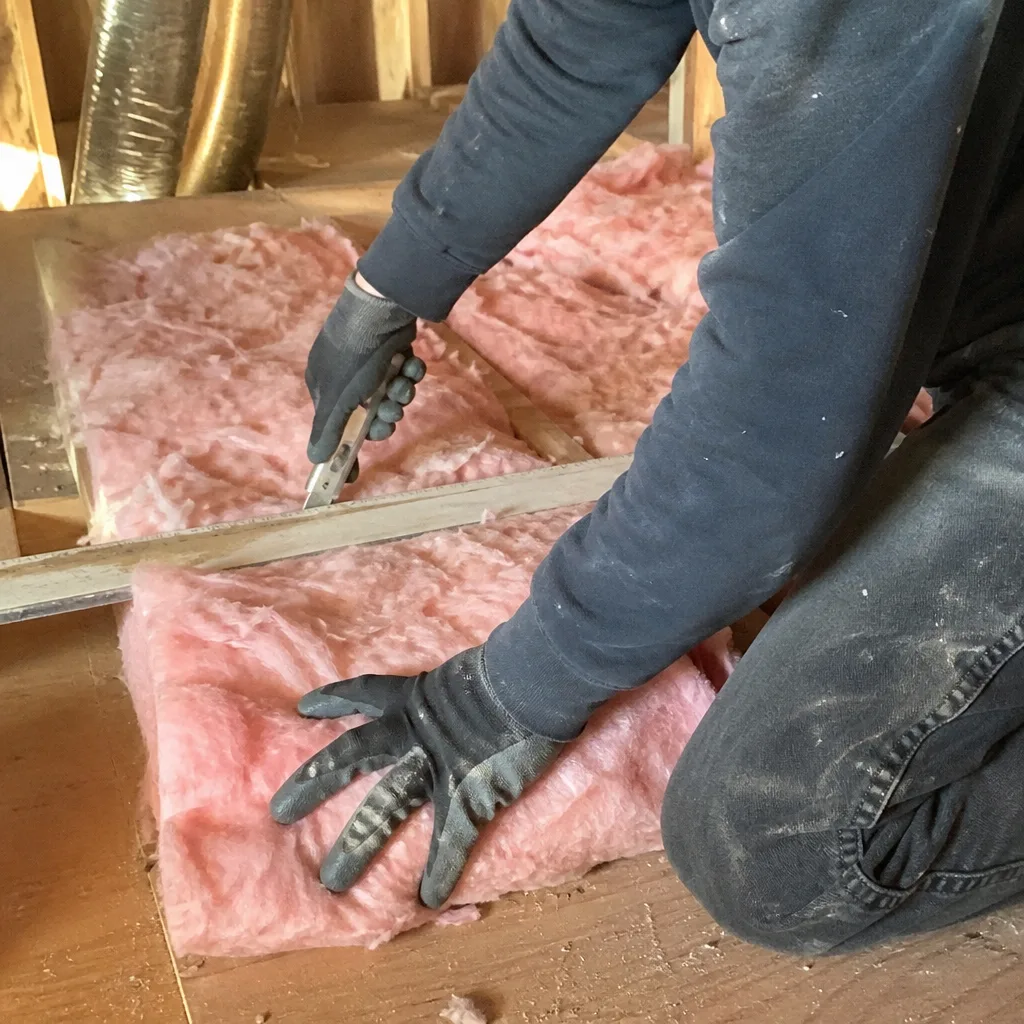
Glendale’s 1920s – 1950s bungalows often have low-pitched roofs where the ventilation path is weak and the attic cavity is tight. Installing a radiant barrier in that confined space requires patience and the right fastening approach, but it’s entirely doable and usually pays for itself fastest on exactly these roofs — and if your existing radiant barrier is torn or failing, we also handle Reflectix repair in Glendale to restore performance without a full replacement. We’ve done enough of them in 91207 and 91208 to know the joist spacing and access patterns by heart.
Attic Cleaning Services in Glendale
Attic cleaning services in Glendale run $850 to $1,800 for a typical 900 – 1,200 square foot pre-war attic, rising when we’re removing rodent-contaminated insulation in foothill homes near the Verdugo open space. If you have a 1940s bungalow in 91206 or a ranch in 91208, there’s a good chance the blown-in fiberglass up there has been colonized by roof rats or squirrels coming off the canyon. They tunnel through it, flatten it, and leave droppings that make the space a health issue, not just an energy one. We pull the contaminated material, sanitize, and prep the attic for its replacement.
Rodent Damage Recovery
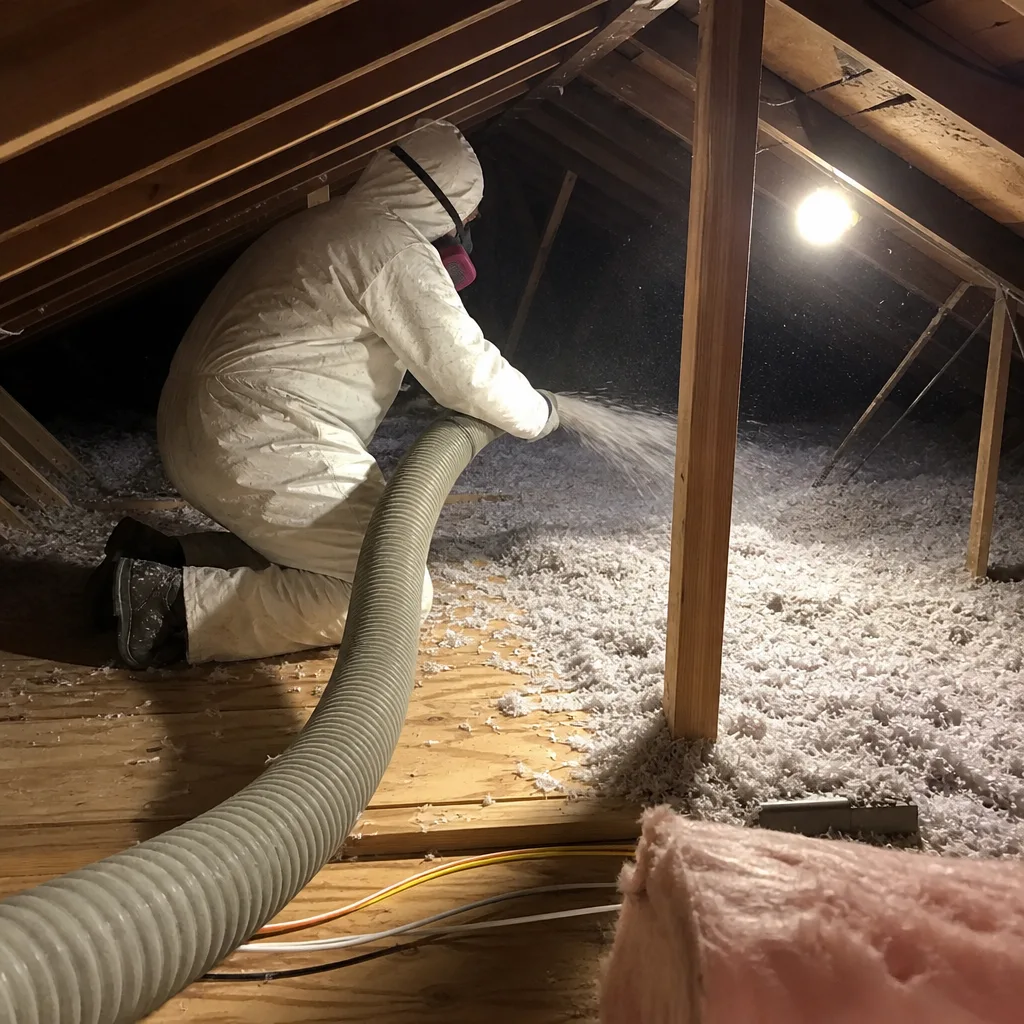
Foothill attics in Glendale are ground zero for roof rat activity off the Verdugo open space. Rodents nest in loose-fill, chew through vent screens, and destroy insulation loft within a season or two. Before any new insulation goes in, the contaminated material needs to come out and the entry points need closing. We do both, then screen the vents properly so the next rat finds harder work.
Debris Removal and Vent Screen Prep
Decades of Santa Ana wind events push fine dust and debris into attic spaces through aging eave vents. That debris settles into existing insulation and reduces its performance, especially in homes built before modern ventilation standards in the 1920s through 1950s. After cleaning, we assess whether your vent screens are intact and sized right, which matters more in Glendale than the insulation itself. A clean, screened attic is the foundation for every material you put down afterward.
What happens when you call
- 1
A real person answersNo phone trees — you reach a local pro.
- 2
You get an upfront price rangeHonest numbers before anyone is dispatched.
- 3
A background-checked tech heads outLicensed & insured, dispatched right away.
- 4
You approve before work beginsNothing starts until you say go.
Trusted Brands We Service in Glendale
Sage Insulation stocks and installs eight manufacturer lines: Owens Corning, Johns Manville, Knauf, Rockwool, CertainTeed, Icynene, Demilec, and GreenFiber. For Glendale’s specific mix of WUI foothill homes, tight bungalow attics, and mid-century condos, we lean on a few more than others. Rockwool mineral wool goes into ember-zone attics along the Verdugo edge. CertainTeed batts fit the low-slope ceiling cavities where blown-in won’t hold position. Knauf covers the standard framed attics across the flats. We don’t push one manufacturer’s program because we don’t have one. The home’s conditions dictate which brand gets loaded onto the truck that morning. That’s the entire reason Sage exists as an Attic Insulation specialist rather than a single-line dealer.
Common Attic Insulation Problems We See in Glendale Homes
- Rodent-tunneled fiberglass in foothill attics. Roof rats and squirrels come off the Verdugo canyon and colonize loose blown-in material through unscreened vents. Within a year or two, the insulation has lost most of its loft and R-value, and the droppings make the space unsafe to work in.
- Compressed batts in low-slope 1920s – 1950s bungalows. Glendale’s pre-war housing stock wasn’t built with attic cavities sized for modern insulation thickness. Crews compress batts against the roof decking to make them fit, which kills the material’s designed R-value. The fix is often a different product, not a different brand of the same product.
- Missing party-wall insulation in 1960s – 70s condos and apartments. Buildings near 91203 and 91204 have shared attic spaces and walls that were never fully insulated. Heat and noise bleed between units through breaches in the party wall, and the common attic often gets skipped entirely because access is awkward.
- No ember screening or fire-rated materials in WUI-adjacent attics. Homes along the Verdugo Hills edge above 91208 sit in Wildland-Urban Interface zones where standard blown fiberglass isn’t the right default answer. Vent screens, ember-resistant material choices, and fire-rated assemblies matter more than adding R-value.
Pricing for Attic Insulation in Glendale, CA
A full attic insulation job in Glendale runs $2,800 to $6,500 for the city’s typical 1920s – 1950s bungalow, depending on whether you’re topping up existing material or doing a full removal and replacement. Blown-in fiberglass or cellulose lands between $1.90 and $2.80 per square foot. Batts run $2.25 to $3.50. Spray foam starts around $3.50 and climbs to $6.50 or more for closed-cell applications in tight or hard-to-access cavities. Radiant barrier adds $1.50 to $2.75 per square foot and makes the most sense on south-facing slopes. Every estimate is free, and we itemize so you can see exactly where material cost ends and labor begins. Call (855) 360-9333 and we’ll schedule a walk-through at your place in Glendale.
We Also Serve Cities Near Glendale
Our trucks run Glendale routes daily, but the crews also cover the surrounding Los Angeles basin communities. You’ll find us in Echo Park, Silver Lake, Hollywood, and South Pasadena most weeks. If your attic is within a 20-minute drive of the Glendale flats, we can likely schedule it on the same rotating route. Call and ask.
Serving Glendale, CA — Our Local Coverage Area
We’re based in the Glendale area and know this community well. Use the map below to see our service coverage — if you’re nearby, we can almost certainly help.
FAQs About Attic Insulation in Glendale
Because homes along the Verdugo edge in 91208 and upper 91206 sit inside Wildland-Urban Interface zones where ember intrusion is the real threat, and the attic is the most vulnerable entry point. Standard blown fiberglass won’t stop an ember that lands in a vent opening. Mineral wool batts from Rockwool are naturally fire-resistant, and paired with proper vent screens and a fire-rated assembly, they meet the ember-zone expectations that standard fiberglass can’t. This is a material decision, not an R-value decision. If your home backs onto the open space, call (855) 360-9333 and we’ll assess what your specific attic actually needs.
Yes. The 1920s – 1950s bungalows with low-pitched or flat roofs have attic cavities too shallow for full-depth blown-in material, which leads to compression and lost R-value. The fix is usually batts sized to the actual joist depth plus a radiant barrier under the decking where the roof angle allows. We’ve done this enough times in 91207 and 91206 to know which roof assemblies we can work in and which need a different approach. A standard quote from a tract-home contractor won’t account for it.
Remove the contaminated insulation first, then rod proof the entry points, then install the new material. Roof rats coming off the Verdugo open space tunnel through loose-fill, destroying its loft and leaving droppings throughout the space. Cleaning and sanitizing run $850 to $1,800 for a typical bungalow attic, and vent screen replacement is often part of the job. If you skip this step, the new insulation gets colonized within a season. Call Sage Insulation and we’ll walk you through what’s actually in your attic before we touch anything.
In multi-unit buildings, the challenge is the party wall and the shared common attic. We cut access where framing allows or work from the attic side, filling the wall cavity with dense-pack cellulose or spray foam depending on the existing structure. The common attic usually needs an air seal at the ceiling plane before any insulation goes down. These jobs require more patience than a standalone house because access is tight and the neighbor’s unit is inches away. But it’s absolutely doable and makes an immediate difference in unit-to-unit noise and heat transfer.
For south-facing attics in the Verdugo foothills, a radiant barrier is often the single most effective upgrade you can make. It reflects heat before it enters the attic air, which keeps insulation and HVAC equipment working under far less stress. We install it for $1.50 to $2.75 per square foot, and on a 1,200-square-foot attic that’s a meaningful improvement for a lot less than replacing an AC system. Call (855) 360-9333 for a free estimate and we’ll tell you if your roof orientation justifies it.
Written by Alan Herrera, Owner at Sage Insulation, serving Glendale and the surrounding Los Angeles basin.