Fast, Reliable Attic Insulation Across Lawndale
If your Lawndale home was built in the 1950s or 1960s, there’s a good chance the attic insulation is original, compressed, and barely doing its job. Most of these stucco tract homes on the 90260 and 90261 flats started with paper-backed fiberglass batts, and decades of re-roofing, HVAC retrofits, and room additions have left them uneven, damp, and underperforming. Our crews run jobs in Lawndale every week, so we know what’s behind those attic hatches before we even climb the ladder. Call (855) 360-9333 and we’ll give you an honest read on what your attic actually needs.
Why Sage Insulation Is Lawndale’s Preferred Attic Insulation Company
Lawndale’s housing stock is specific. Rows of mid-century single-story stucco ranches on raised foundations, most with original attic access in a hallway closet or garage ceiling. Those attics tell a story the moment you open them: compressed batts, dust-caked joists, and sheathing that’s been sweating through every fog season. We’ve worked enough of these attics to know what works and what makes things worse.
Homeowners in Lawndale keep calling us because we don’t push a single product line. We carry Knauf, Rockwool, CertainTeed, and Icynene systems, so the recommendation comes from what’s actually happening in your attic, not what we have the most of in the warehouse. Alan Herrera, who runs Sage Insulation, built the company around that material-agnostic approach. It matters here more than almost anywhere else in the South Bay, because Lawndale’s marine-layer moisture problem punishes the wrong insulation choice faster than a hot attic ever would.
How Lawndale’s Marine Layer Changes Attic Insulation
Here’s what makes Lawndale genuinely different from inland South Bay cities. In Torrance or Gardena, heat gain drives the conversation. In Lawndale, the fog season from May through September pushes cool, moist air over the flats, and that air finds its way into attics through can lights, bath fan housings, and unsealed top plates. When that moist air meets cool roof sheathing, condensation forms. The result is mold, rot, and ceiling stains that have nothing to do with heat and everything to do with vapor management.
This rewrites the standard attic insulation playbook. In Lawndale, the question is not just “how much R-value can we add?” It’s “where is the vapor going, and are we trapping it against the wrong surface?” Kraft-faced batts installed toward the roof deck, or foil facings placed on the cool side, can actively promote the mold you’re trying to prevent. That’s why we lead with air sealing and vapor-aware material selection on every Lawndale job. R-value matters, but in a 1953 ranch near the 405, it’s the second question, not the first.
We saw this firsthand on a 1953 stucco home in the 90260 flats. The attic had been re-roofed twice and retrofitted with central HVAC in the 1980s. The original paper-backed batts were compressed to about R-7, a piece of flex duct had crushed a four-foot bay, and fog-season condensation had stained the underside of the roof deck. We removed the degraded batts, air-sealed the top plates and can lights, installed Rockwool Comfortbatt R-15 between the joists with a smart vapor retarder on the warm side, and topped the flat ceiling with Owens Corning blown-in fiberglass to R-38. The deck dried out within two fog seasons and the homeowner’s winter gas use dropped noticeably.
Radiant Barrier in Lawndale
Radiant barrier in Lawndale is a more nuanced call than it is twenty miles inland. A radiant barrier works by reflecting radiant heat away from the living space, which is extremely effective in hot, sunny climates where the roof deck bakes all afternoon. Lawndale’s marine layer means the roof deck rarely gets that hot, but on clear August afternoons when the fog burns off by noon, south-facing rooflines can still hit temperatures that push heat into the attic. The question is whether that heat is your primary problem or a secondary one.
For most Lawndale homes, radiant barrier plays a supporting role rather than a starring one. If you’re already replacing degraded batts and air sealing, adding a radiant barrier to the roof deck can reduce afternoon heat gain meaningfully. A typical radiant barrier install in Lawndale runs $0.75 to $1.50 per square foot of attic floor area, so a 1,200-square-foot ranch lands around $900 to $1,800. If your attic has significant south-facing roof exposure and you’re fighting afternoon heat, it’s worth discussing.
When a Radiant Barrier Makes Sense
If your Lawndale home gets direct afternoon sun on a south or west-facing roof and the upstairs rooms warm up noticeably by 4 p.m., a radiant barrier can help. It works best when paired with proper attic insulation, not as a substitute for it. Homes in the fog-shadow zones closer to the 405 freeway generally see less benefit than homes on the eastern edge of Lawndale where the marine layer burns off earlier.
Radiant Barrier with Existing Insulation
We can install a radiant barrier directly to the underside of the roof deck without disturbing your existing attic floor insulation. That’s often the cleanest option for Lawndale homes that already have blown-in fiberglass at a decent depth but still feel afternoon heat creep. The job typically takes one day for a single-story ranch. Attic access from a hallway closet or garage ceiling is usually sufficient, though tight 1950s attic hatches may need a quick frame-out first.
Attic Cleaning Services in Lawndale
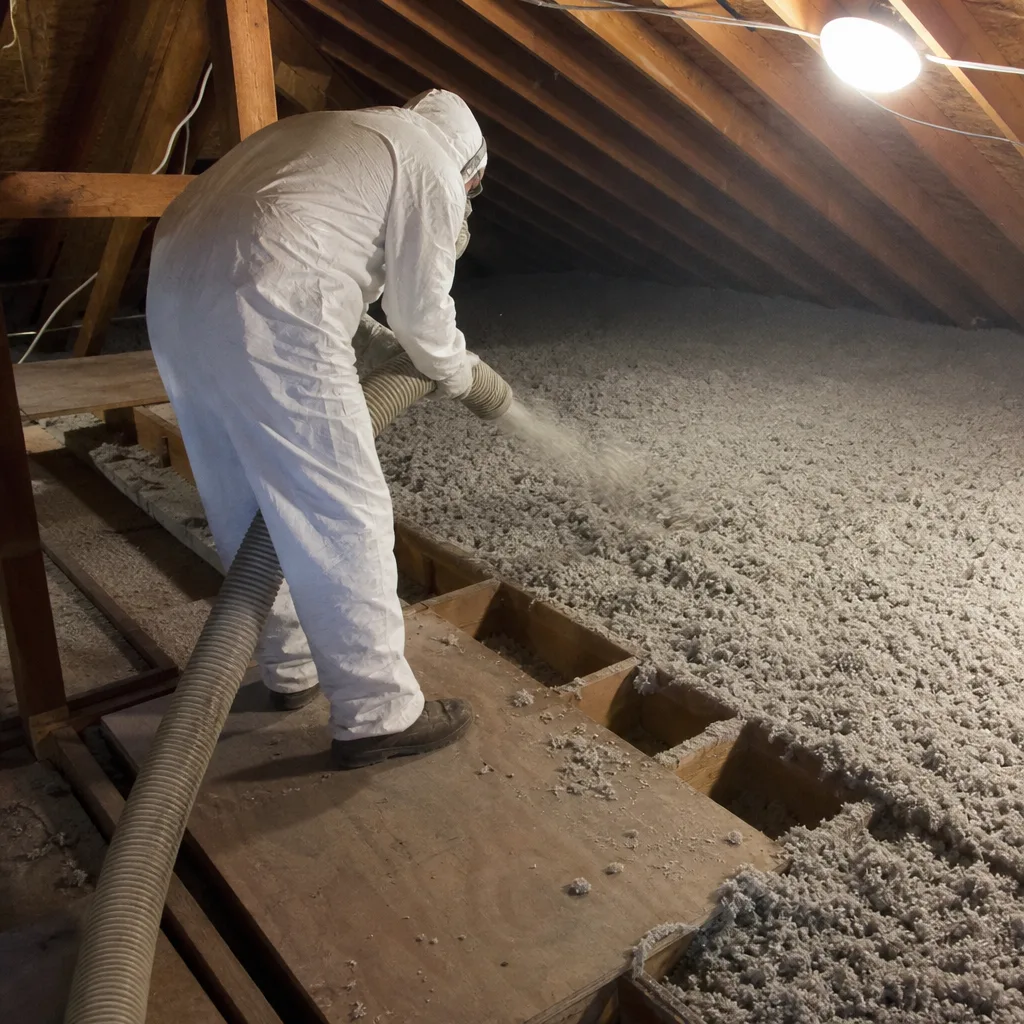
Attic cleaning services in Lawndale are not a luxury. Decades of fog-season moisture, dust from the 405 corridor, and the occasional rodent or bird intrusion leave these attics holding contaminants that degrade insulation performance and can affect indoor air quality. A cleaning before insulation replacement removes the old, compressed material, dust, and any debris that would otherwise get sealed in under new insulation. It also lets us see the full picture of what’s happening up there.
A full attic cleaning service in Lawndale typically runs $2.50 to $4.00 per square foot, which for a standard 1,200-square-foot ranch lands between $3,000 and $4,800. That includes removal of old insulation, HEPA vacuuming of the attic space, and disposal. If rodent activity is present, expect additional cost for sanitation and entry-point sealing. The payoff is a clean, dry attic that new insulation can actually perform in.
Cleaning Before Insulation Replacement
We never install new insulation over contaminated old material. The old batts and blown-in fiberglass hold dust, allergens, and moisture, and burying that under fresh insulation just postpones the problem. Cleaning first also exposes the top plates and can lights so we can air seal properly, which is the single most important step for Lawndale’s condensation-prone attics.
Post-Retrofit Cleanup
If you’ve had HVAC work, electrical upgrades, or a re-roof in the past decade, your attic probably has debris and compressed insulation in spots you can’t see from the hatch. We routinely find flex duct lying across joist bays, crushed batts, and construction debris from past remodels. A cleaning and re-insulation job handles all of that in one pass.
What happens when you call
- 1
A real person answersNo phone trees — you reach a local pro.
- 2
You get an upfront price rangeHonest numbers before anyone is dispatched.
- 3
A background-checked tech heads outLicensed & insured, dispatched right away.
- 4
You approve before work beginsNothing starts until you say go.
Trusted Brands We Service in Lawndale
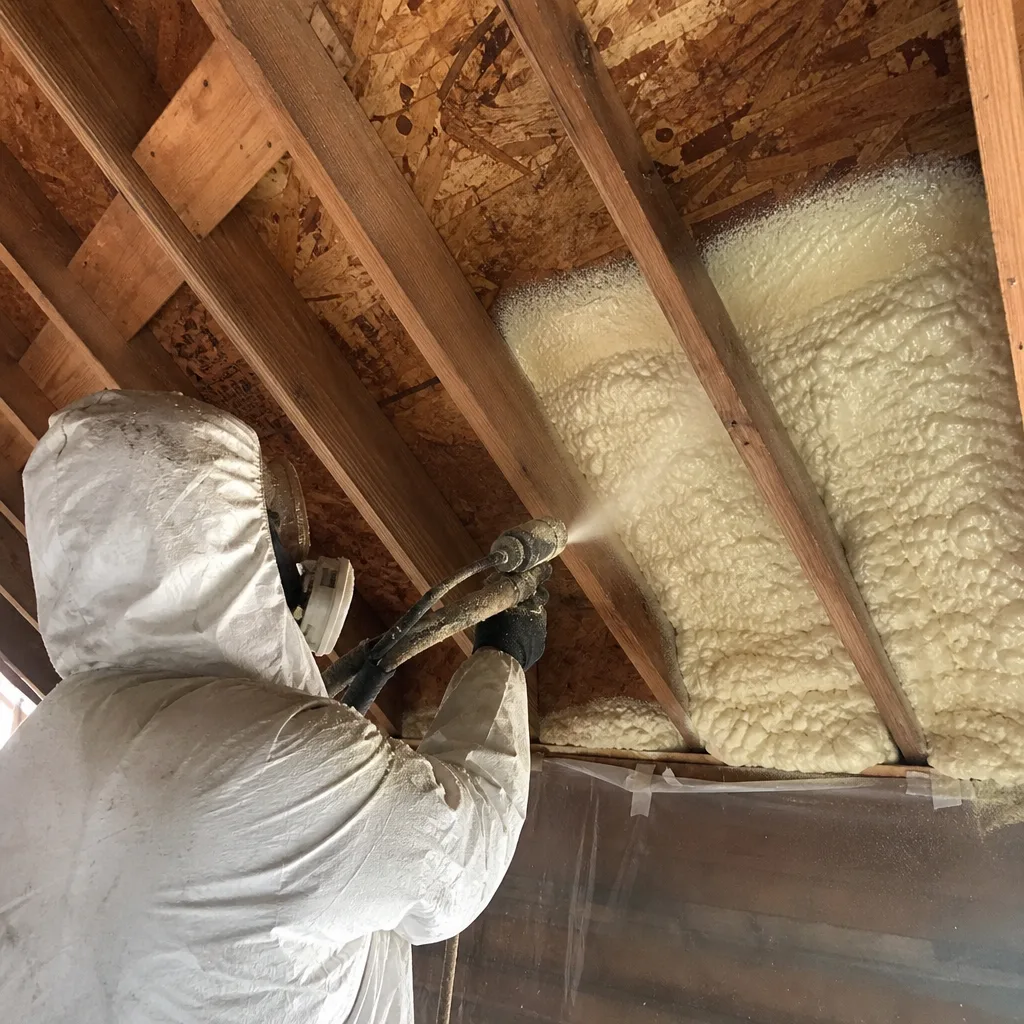
We’re brand-agnostic and carry Knauf, Rockwool, CertainTeed, and Icynene among our product lines. That means we can recommend what performs best for a Lawndale attic instead of what we happen to stock the most of. CertainTeed fiberglass batts and blown-in options are strong general performers, Rockwool mineral wool handles moisture well in damp marine-layer conditions, and Icynene open-cell spray foam gives us an air-sealing option for irregular attics with additions and old framing. We stock the materials we use on Lawndale jobs regularly, so turnaround is fast. Alan Herrera’s crew does not special-order common sizes and then make you wait.
Common Attic Insulation Problems We See in Lawndale Homes
- Compressed 1950s paper-backed batts: Original fiberglass batts get crushed by decades of HVAC retrofits, electrical work, and storage. In Lawndale ranch homes, we routinely find R-19 batts performing at R-5 to R-7, especially near the 405 corridor where homes have had more retrofitting.
- Fog-season condensation on roof sheathing: The marine layer from May through September pushes moist air into attics through unsealed can lights, bath fans, and top plates. That moisture condenses on cool sheathing and drips onto ceiling drywall, often leaving stains homeowners mistake for roof leaks.
- Unsealed top plates and bypasses around room additions: Many Lawndale homes have had a room added or a wall moved at some point. The framing joints between old and new construction are rarely sealed, creating channels where moist morning air flows straight into the attic.
- Insulation gaps around duct runs and chimneys: Old duct chases and masonry chimneys create thermal shorts through the attic floor. Even when overall R-value looks adequate on paper, these gaps let conditioned air escape and fog-season moisture follow it upward.
Pricing for Attic Insulation in Lawndale, CA
A full attic insulation replacement in Lawndale, including removal of old material, air sealing, and new insulation to R-38, typically runs $4,500 to $9,500 for a 1,200 to 1,800-square-foot ranch. Attic insulation top-up over existing, uncompromised material costs less: $2,000 to $3,800 for a home that size. Blown-in fiberglass or cellulose installs at the lower end of those ranges, while spray foam and Rockwool batts with air sealing sit at the higher end. The variables are attic size, access difficulty (those 1950s closet hatches are tight), and how much remediation the existing insulation needs. We quote fixed prices after an inspection, and the estimate is free.
For exact numbers on your Lawndale home, call (855) 360-9333. We’ll send someone out, get in the attic, and give you a number that holds.
We Also Serve Cities Near Lawndale
Our crews regularly work in Hawthorne, Del Aire, Alondra Park, and Inglewood, so we know the South Bay’s older housing stock well. If you’re in a nearby city and want the same brand-agnostic approach, our Attic Insulation team covers the surrounding area. For Lawndale specifically, this page is your source for local specifics. See Attic Insulation in Lawndale for more on how we serve this community.
Serving Lawndale, CA — Our Local Coverage Area
We’re based in the Lawndale area and know this community well. Use the map below to see our service coverage — if you’re nearby, we can almost certainly help.
FAQs About Attic Insulation in Lawndale
Lawndale’s marine layer pushes cool, moist air into attics through unsealed gaps around can lights, bath fans, and framing joints. That moisture condenses on cool roof sheathing during fog season, independent of whether you’re heating the house. The fix is air sealing first, insulation second. Call (855) 360-9333 and we’ll identify exactly where the moisture is entering.
Usually not. The old batts are often compressed and contaminated, and blowing new insulation over them traps existing moisture against the old material. In Lawndale’s marine-layer climate, that accelerates mold growth. We recommend removal, air sealing, and a clean install. Estimates are free.
If the insulation is uneven, compressed in some bays and missing in others, or if you see new framing meeting old framing with unsealed gaps, it’s likely from retrofits. Re-roofs often leave debris and disturb insulation near the eaves. Room additions create seams that leak air. We see both regularly in Lawndale homes with irregular attic envelopes.
Sometimes, but less often than in inland cities. A radiant barrier helps on clear afternoons when the roof heats up, but it does nothing for the condensation problem that defines Lawndale’s fog season. We’d rather spend that budget on air sealing and vapor-aware insulation unless you have demonstrable afternoon heat gain. Call us for a straight answer on your specific roof orientation.
Most jobs take one to two days. The original closet or garage attic hatch in these ranches is tight, but we work through it without cutting new openings in most cases. We lay down protection, run HEPA extraction during removal, and clean up before we leave. You can be home or not; it doesn’t slow us down either way.
Written by Alan Herrera, Owner at Sage Insulation, serving Lawndale and the broader South Bay.