Insulation Company in Koreatown, CA
Blown in insulation solves the most common comfort complaint we hear in Koreatown: second-floor units that bake in summer while first-floor tenants run space heaters in winter. The dense 1960s and 1970s apartment stock along Western, Vermont, and Wilshire was built when energy was cheap, so many wall cavities and ceiling bays are empty or hold a thin layer of settled fiberglass that stopped performing years ago. When tenants complain and utility bills climb, property owners call us at (855) 360-9333 for a diagnostic walkthrough before anyone picks up a blower hose. Sage Insulation has served Koreatown since 2018, and we stock eight manufacturer lines so the fix matches the building, not the other way around.
Why Koreatown Homes Are Different
Koreatown doesn’t insulate like the rest of Los Angeles. Most of our work here is in 1920s courtyard apartments and postwar mid-rise buildings with flat or low-slope roofs, original single-pane windows, and wall cavities that were never filled. The climate drives cooling loads, not heating: summer heat soaks through flat roof decks, and the urban heat-island effect in these dense blocks keeps upper-floor units hot well past midnight. Radiant heat gain through uninsulated ceilings is the single biggest comfort killer in this neighborhood.
Access is the real constraint on almost every Koreatown job. We’re often blowing insulation into ceiling cavities from above while tenants live below, working around knob-and-tube wiring that cannot be buried under loose fill without proper fire-blocking. Shallow ceiling bays packed with ductwork and old electrical runs leave little room for error. Building managers also need Title 24 compliance documentation for permit sign-off, so we photograph every bay before it’s covered and note fire-stop details in the closeout file. Flat-roof buildings without usable attics get dense-pack wall cavity work or roof-deck retrofits, not standard attic blow-ins. The building tells us what it needs; we just know how to listen.
Our Main Koreatown Services
Koreatown property owners call us most often about two things: attic and roof-deck insulation for flat-roofed apartment buildings, and spray foam for the hard-to-reach wall cavities and rim joists that batt insulation never quite handles. Both are covered in detail on their own pages.
Attic Insulation in Koreatown
Many of Koreatown’s older buildings do have accessible attic spaces above top-floor units, but they’re shallow, hot, and usually crossed with knob-and-tube wiring. We assess what’s already there, address any settling or compression, and blow new material to the correct depth. In flat-roof buildings where a true attic doesn’t exist, we work from the roof side to add a rigid or spray-applied layer that cuts radiant heat before it enters the ceiling cavity. See the full breakdown on Attic Insulation in Koreatown.
Spray Foam Insulation in Koreatown
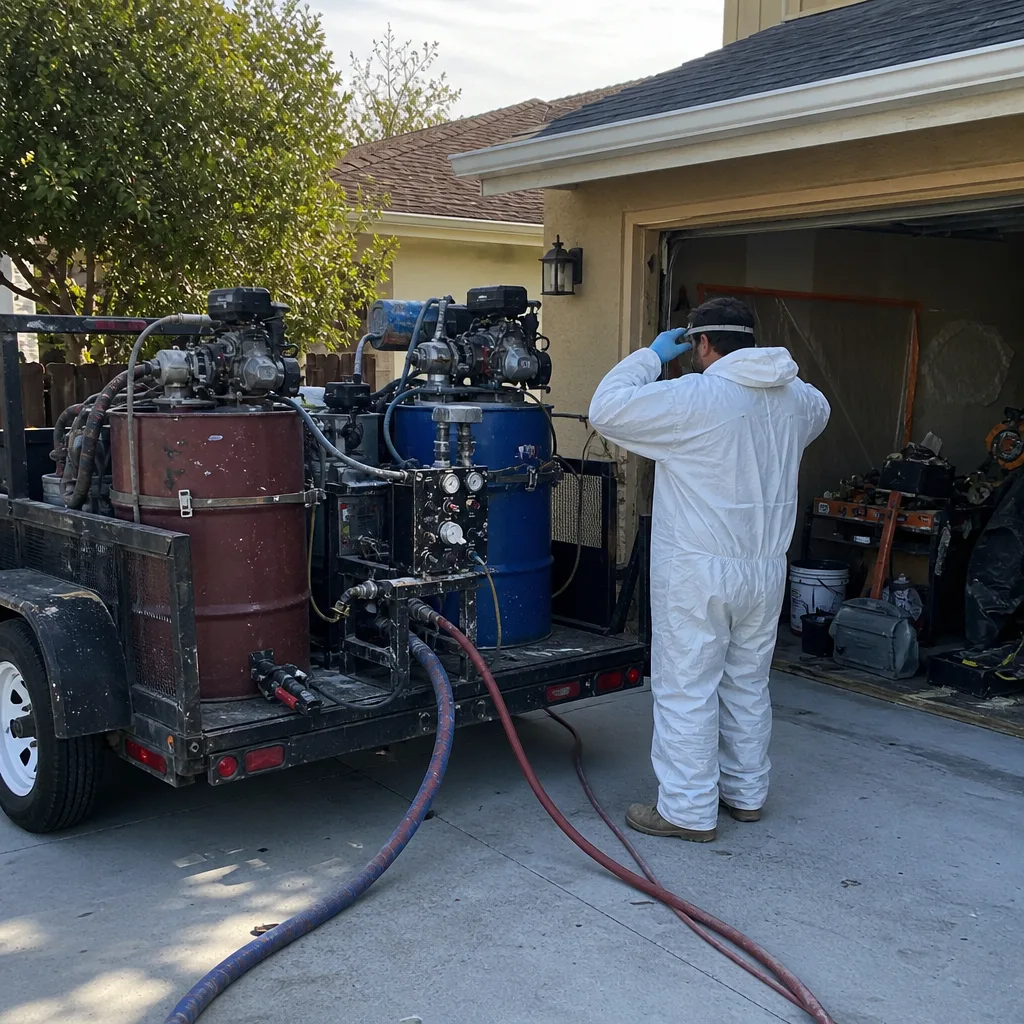
Courtyard apartment buildings and older commercial strips in Koreatown often have irregular wall cavities, exposed rim joists, and gaps around duct penetrations that loose fill can’t seal. Spray foam handles those, and because Sage installs both Icynene and Demilec systems, we can choose between open-cell for interior sound control and closed-cell where moisture or structural rigidity matters. The page for Spray Foam Insulation in Koreatown explains the full range of options and what each foam chemistry does best.
What happens when you call
- 1
A real person answersNo phone trees — you reach a local pro.
- 2
You get an upfront price rangeHonest numbers before anyone is dispatched.
- 3
A background-checked tech heads outLicensed & insured, dispatched right away.
- 4
You approve before work beginsNothing starts until you say go.
Blown In Insulation in Koreatown
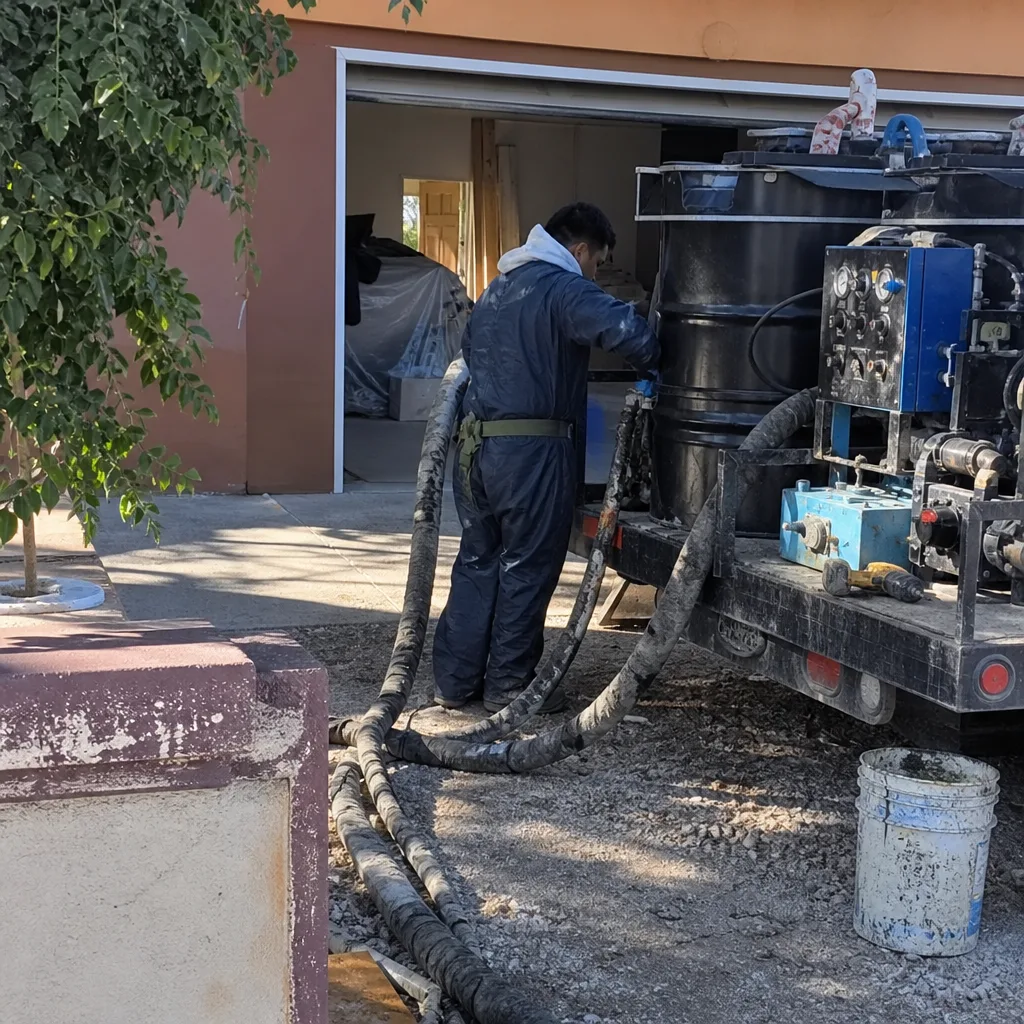
Blown in insulation is the workhorse solution for Koreatown’s older apartment stock. Loose fill reaches into irregular wall cavities and shallow ceiling bays that pre-cut batts can’t fit, and it settles into the odd corners of 1920s courtyard buildings without major demolition. The material cost is low, the installation is fast, and in buildings where tenants are living right below the work area, a blower hose causes far less disruption than tearing out drywall. We run Blown In Insulation jobs throughout 90005, and the material choice usually comes down to cellulose for density and fire resistance or fiberglass for lighter weight and lower moisture retention.
Cellulose Insulation
Signs you need it
Rooms that heat up unevenly, especially top-floor units under a flat roof, and utility bills that spike every summer point to wall and ceiling cavities that need dense, fire-resistant fill.
What it costs in Koreatown
Cellulose wall and ceiling blow-ins in Koreatown typically run $1.50 to $3.50 per square foot installed, with attic jobs on the lower end and dense-pack wall retrofits on the higher end.
How we do it
We dense-pack the material into wall cavities through small access holes or blow it loose over the ceiling plane, checking depth with gauges and photographing fire-blocking details before closing up.
Blown In Attic Insulation
Signs you need it
An attic that’s empty, holds less than six inches of old material, or shows settled patches where the original fill has compressed means the building is leaking conditioned air straight through the ceiling.
What it costs in Koreatown
Blown in attic insulation in Koreatown averages $1.50 to $3.50 per square foot depending on depth required and access conditions, with most flat-roof buildings landing in the middle of that range.
How we do it
We air-seal bypasses around ductwork and wiring first, then blow to the target depth, using a blower hose and thickness markers so every bay gets even coverage and nothing settles short.
Blown In Cellulose Insulation
Signs you need it
If walls feel hollow when tapped, or you can hear everything from the unit next door, the cavities likely hold nothing, and cellulose’s density is what cuts both heat transfer and sound bleed.
What it costs in Koreatown
Blown in cellulose in Koreatown runs $1.50 to $3.50 per square foot installed, with dense-pack wall cavities at the upper end and open attic floors at the lower end.
How we do it
We drill access holes in the wall plane or work from the attic side, pump the material in under pressure to the right density, then patch and paint the access points so the finish looks untouched.
Blown In Fiberglass Insulation
Signs you need it
Older attic spaces with no moisture issues and an existing fiberglass layer that has settled or compressed are the best candidates for a fresh blow of loose fiberglass.
What it costs in Koreatown
Blown in fiberglass in Koreatown typically costs $1.50 to $3.50 per square foot, with the final number driven by target depth and whether old material needs to be removed first.
How we do it
We remove or top up the existing layer, run the blower to the specified depth, and check coverage with a depth gauge so the new material reaches the R-value the building needs.
Loose Fill Insulation
Signs you need it
Shallow ceiling bays, odd-shaped attics, and cavities with pipes or conduit running through them need loose fill because it flows around obstructions in a way batts never can.
What it costs in Koreatown
Loose fill in Koreatown ranges from $1.50 to $3.50 per square foot, with tight-access ceiling cavities and flat-roof jobs on the higher side of the range.
How we do it
We run the blower hose into the cavity or attic and distribute the material evenly, using density checks in wall work and depth markers in attics so coverage is consistent everywhere.
What Blown In Insulation Costs in Koreatown
| Item | Typical range in Koreatown |
|---|---|
| Blown in attic insulation | $1.50 – $3.50 per sq ft |
| Dense-pack cellulose wall retrofit | $2.00 – $3.50 per sq ft |
| Loose fill over existing attic layer | $1.50 – $2.50 per sq ft |
How long does blown in insulation take in Koreatown?
Most apartment-building attic blow-ins finish in one day, though dense-pack wall retrofits in occupied units can run two days because access holes need patching and painting after the material goes in.
Is blown in insulation safe around old wiring?
Knob-and-tube wiring requires fire-blocking and clearance before any loose fill goes near it. We inspect the bays, note conflicts, and work with the property owner on the right fix before material goes in.
Brands We Service in Koreatown
We run Johns Manville and Knauf fiberglass through our blowers most weeks, but we also stock Rockwool for fire-rated wall assemblies and CertainTeed for projects where the owner wants a specific manufacturer spec. Jobs move faster when we have the material on the truck. See the full our brands list for what we carry and why we stick with these eight manufacturers.
Pricing for Insulation Company in Koreatown, CA
| Service | Typical range in Koreatown |
|---|---|
| Blown in attic insulation | $1.50 – $3.50 per sq ft |
| Cellulose wall cavity blow-in | $2.00 – $3.50 per sq ft |
| Blown in fiberglass attic | $1.50 – $3.00 per sq ft |
| Loose fill over existing insulation | $1.50 – $2.50 per sq ft |
| Dense-pack wall retrofit | $2.00 – $3.50 per sq ft |
| Attic air sealing before blow-in | $0.75 – $1.50 per sq ft |
| Old insulation removal | $1.00 – $2.00 per sq ft |
| Roof-deck insulation retrofit | $2.50 – $4.00 per sq ft |
| Wall cavity spray foam | $2.00 – $5.00 per sq ft |
| Rim joist spray foam | $3.00 – $6.00 per sq ft |
| Attic spray foam | $3.00 – $7.00 per sq ft |
| Bonus room or crawl space | $2.00 – $5.00 per sq ft |
In Koreatown, the price movers are almost always access and wiring. Top-floor ceiling cavities reached from a flat roof, knob-and-tube conflicts that need fire-blocking, and occupied units that require evening or weekend work all push a job toward the upper end of these ranges. What doesn’t change is the quote: we price the job before we start, and the number on the estimate is the number on the invoice.
Neighborhoods We Serve in Koreatown
Our crews work throughout 90005, and because most of these blocks are dense and parking is a daily negotiation, we schedule jobs tightly and show up with everything on the truck. Typical response time for a Koreatown estimate call is same day or next morning.
- Wilshire Park
- Harvard Heights
- Country Club Park
- Little Bangladesh
- Windsor Village
Service Area – Cities Near Koreatown
Sage Insulation runs crews across the LA basin from our West Athens shop. If you’re just outside Koreatown, we also cover Los Angeles, CA and the surrounding neighborhoods: Echo Park, CA, Silver Lake, CA, and Hollywood, CA. Same crew, same brands, same upfront pricing.
Serving Koreatown, CA — Our Local Coverage Area
We’re based in the Koreatown area and know this community well. Use the map below to see our service coverage — if you’re nearby, we can almost certainly help.
FAQs About Insulation Company in Koreatown
Yes. Most of our Koreatown work happens in buildings where tenants are living while we insulate above or around them. We schedule with the property manager, keep work areas contained, and plan access so we don’t need to enter occupied units for most attic or roof-deck jobs.
Most blown-in and batt insulation retrofits don’t require a permit, but Title 24 documentation is often needed when the work is part of a larger remodel or a rental property upgrade. We photograph bays, note fire-blocking, and provide the closeout paperwork the city wants.
We’re based in West Athens and keep Koreatown on a standing schedule, so most estimate calls get a same-day or next-morning visit. Call (855) 360-9333 and we’ll set a window that works around your building’s quiet hours or tenant schedule.
What happens when you call
- 1A real person answersNo phone trees — talk to a local insulation pro.
- 2You get an upfront price rangeHonest numbers before anyone is dispatched. No surprises.
- 3A background-checked tech heads outLicensed & insured, typically within 60-minute.
- 4You approve before work beginsNothing starts until you say go.
What Koreatown Customers Say
"Handled the utility rebate paperwork, which knocked a real amount off the final cost."
— Neil Reddy"Spray foam in the rim joists in the basement. The cold floors above them are gone."
— Cole Reed"Found and sealed a gap around the chimney chase that was basically an open chimney to the attic."
— Alejandro Vargas